


Volunteer | Kaitūao
Be Part of the Story. Our museum is built on people power. Would you like to be part of preserving and sharing our heritage?
We welcome new volunteers to join our passionate team. Whether you have a few hours a month or can help regularly, your contribution matters.
We’d love to hear from you. No prior experience needed—just a love of history and willingness to help


Donate | Koha
Protect Our Taonga and Keep Our Museum Accessible for Everyone.
Our museum is more than just a building — it’s a place where stories are kept alive, where taonga are cared for, and where our community can connect with the past. By donating or volunteering, you’re helping ensure that our heritage remains open, welcoming, and accessible to all.
Whether you give your time or offer a financial contribution, your support makes it possible for us to share Featherston’s unique history with future generations.
Together, we can honour the past and inspire the future.
Heritage Rescue
Discover how the Featherston Heritage Museum was revitalised through the Heritage Rescue television programme. This video showcases the importance of preserving our past and the dedicated volunteers who have worked tirelessly to protect our region’s history.
See Featherston | Toro mai ki Paetūmōkai



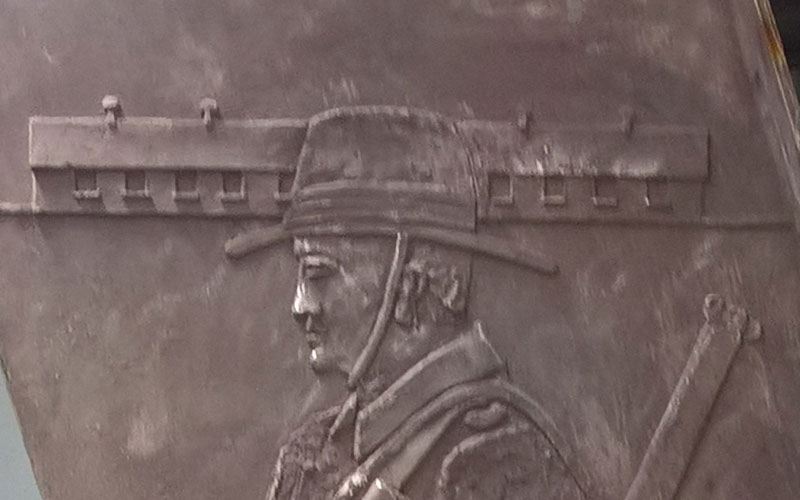
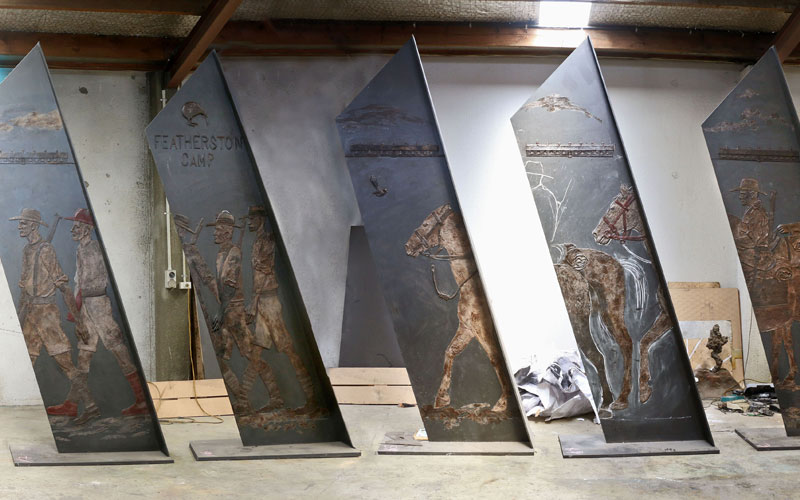
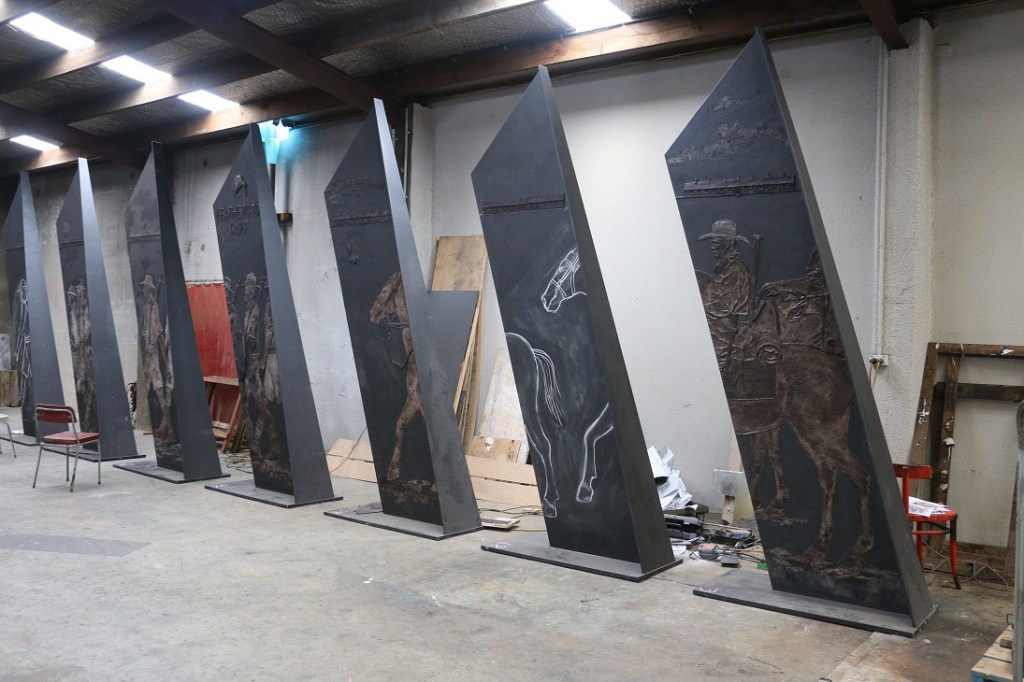
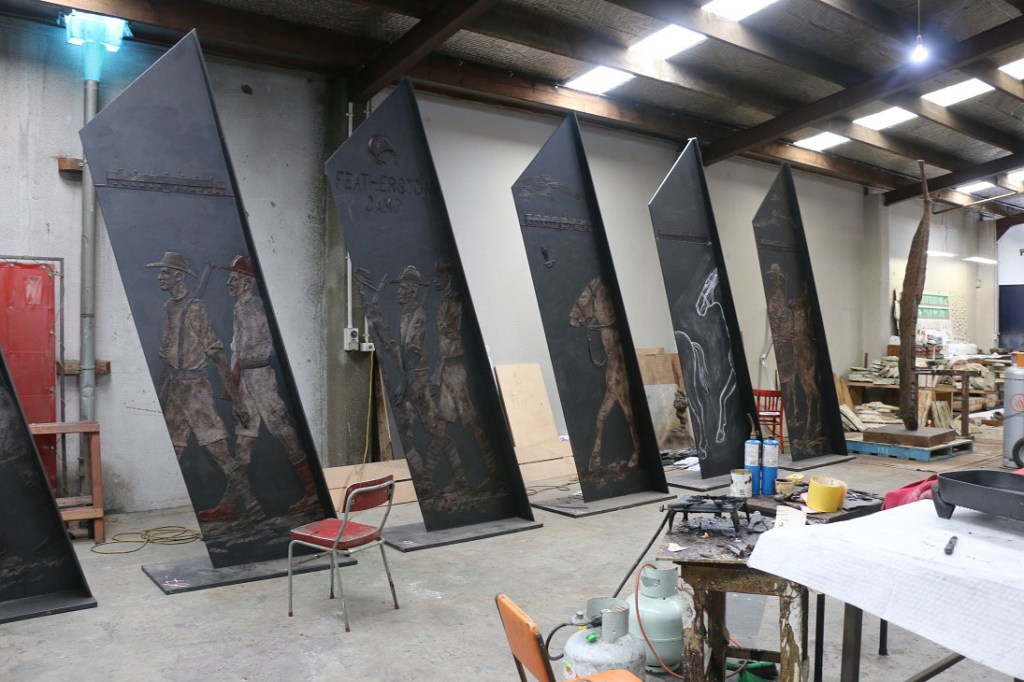
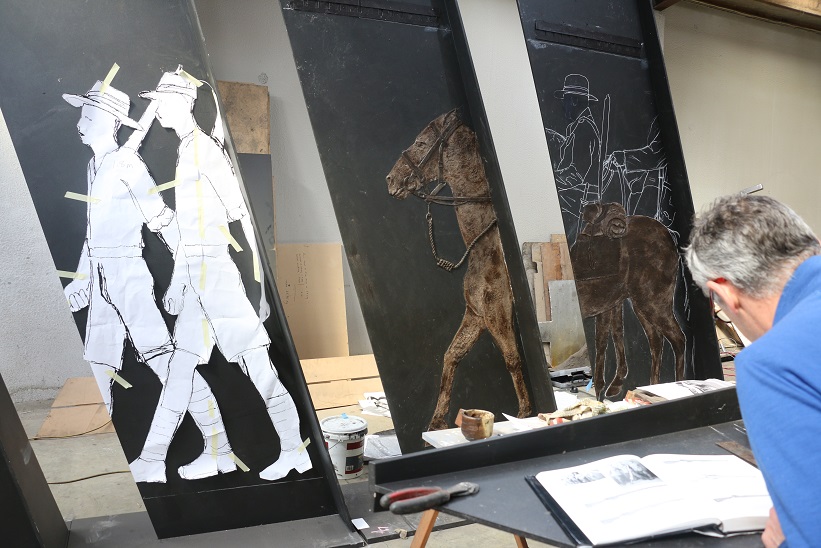
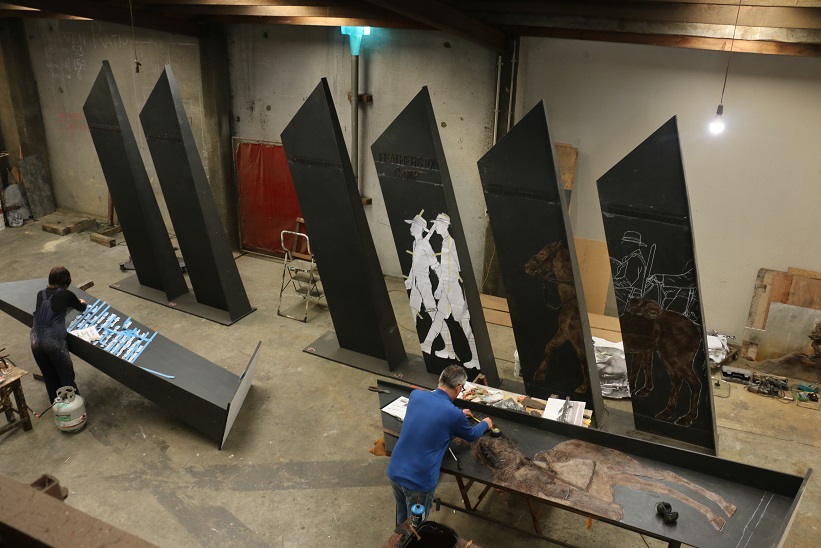

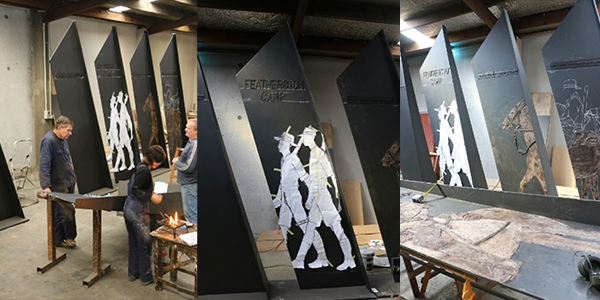

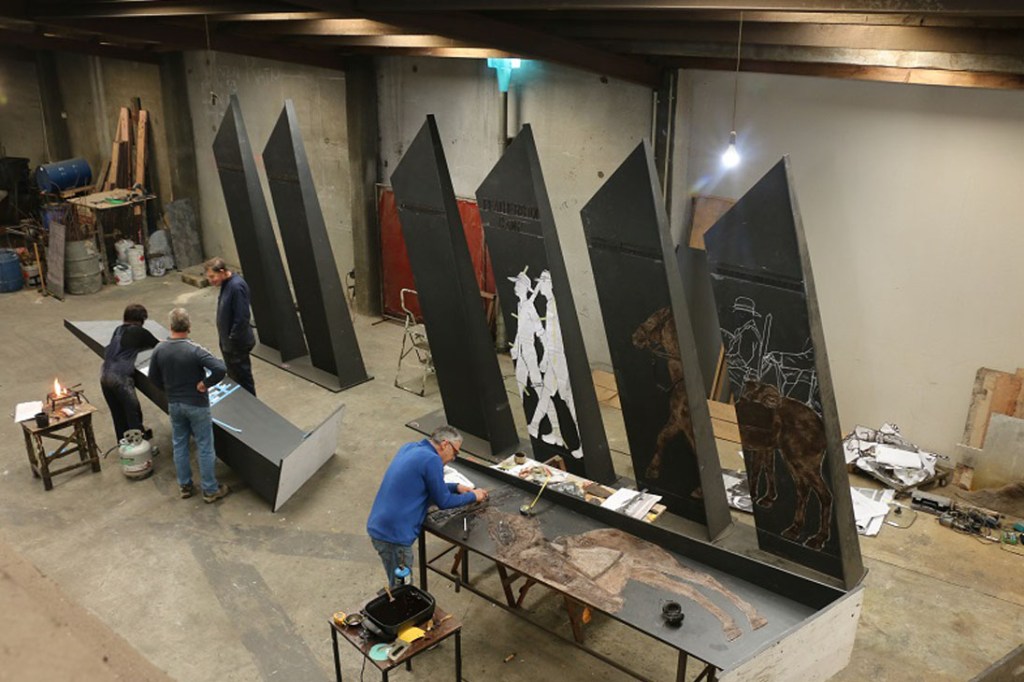

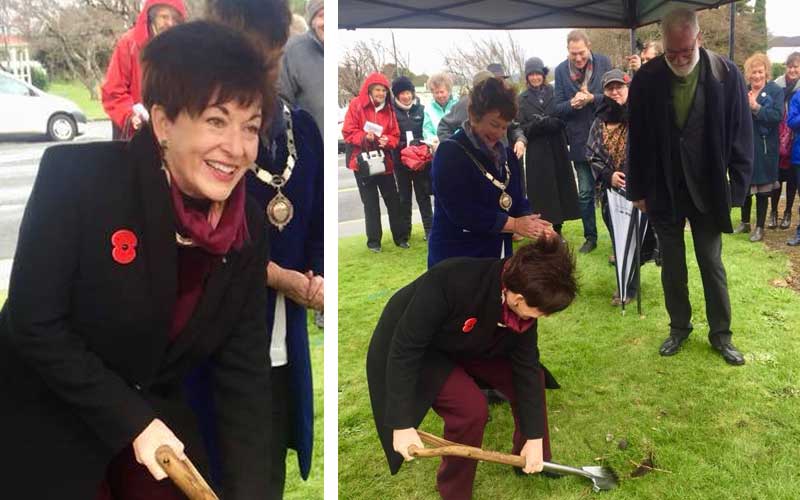


Camp Sculpture
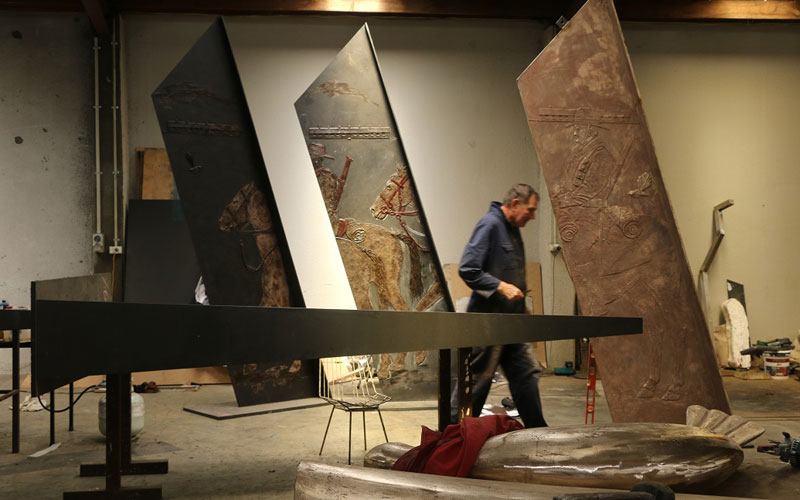
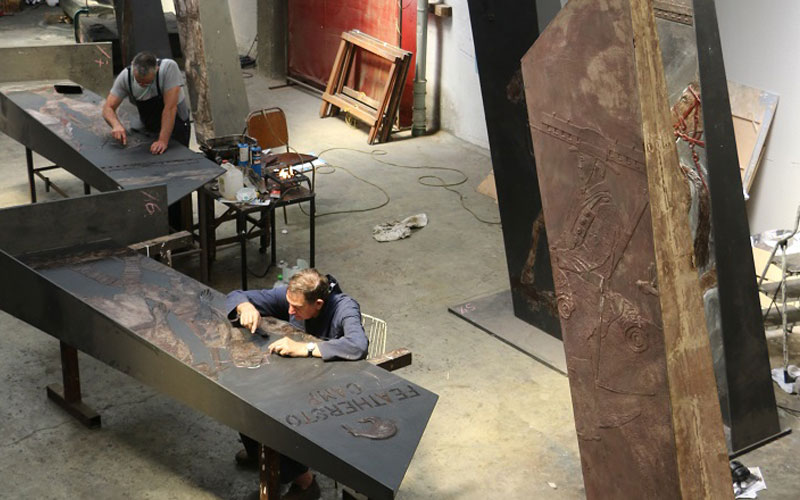
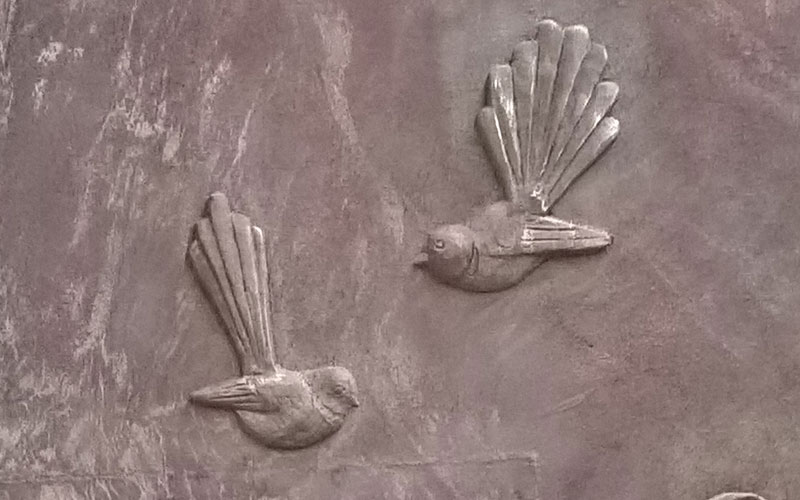
The Sculpture stands as a striking reminder of the town’s military and cultural history. Located across Fitzherbert St from the museum, the sculpture was designed by New Zealand artist Paul Dibble and unveiled in 2015. It commemorates the World War I training camp that once stood on the site, and the tragic events of 1943.

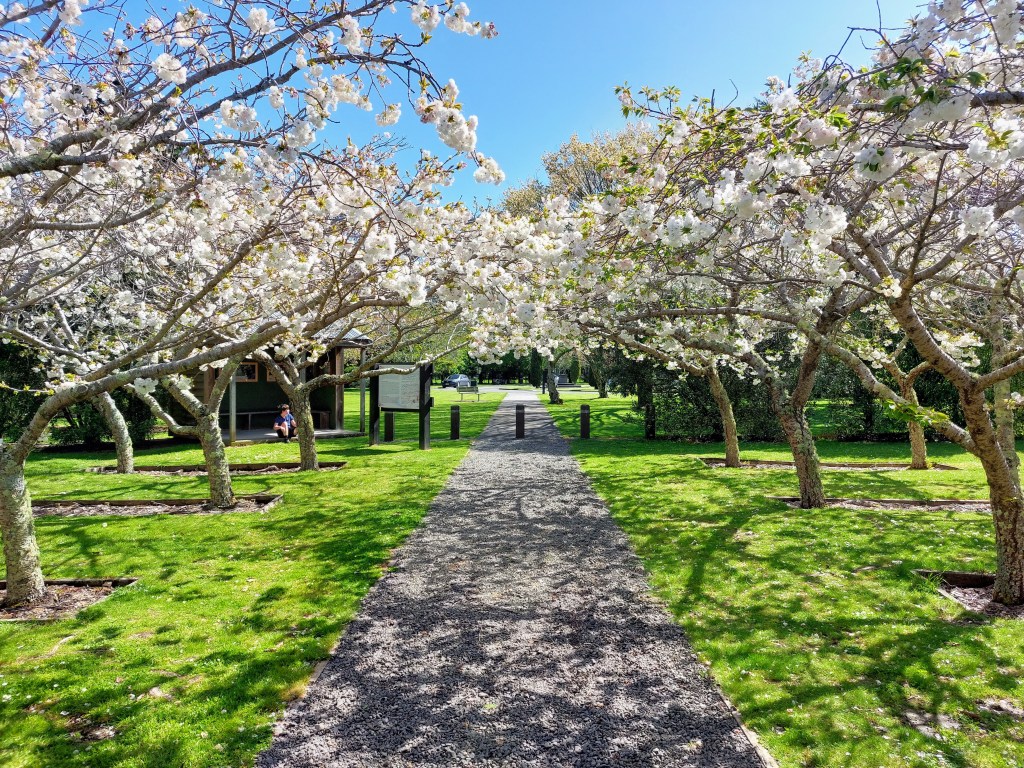

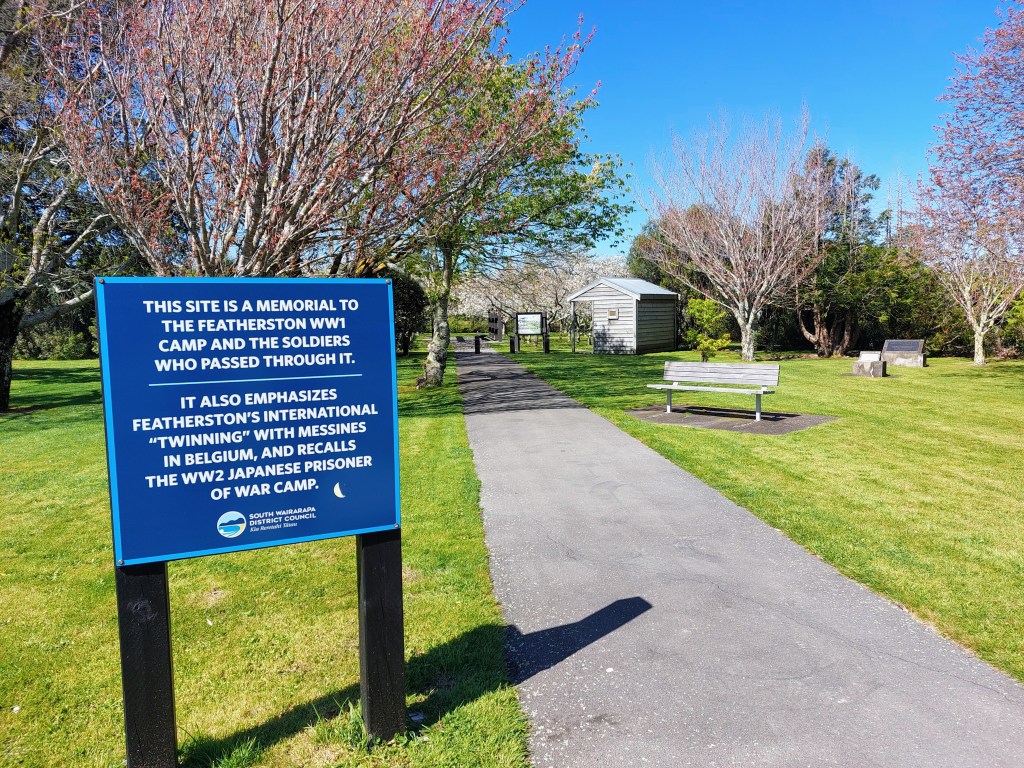

Japanese Memorial Garden
A few minutes north, the Sakura Garden/Japanese Memorial Garden lies on the former camp grounds next to State Highway 2. This peaceful roadside garden features cherry blossom trees and symbolic elements of reconciliation between New Zealand and Japan. It marks a place of remembrance and healing, visited by dignitaries and maintained by volunteers.
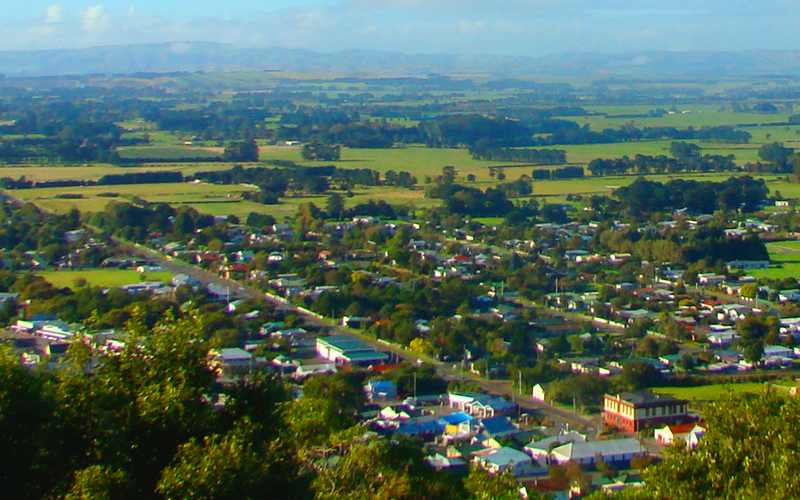
Search | Rapu
Do you have a connection to the Featherston WWII Camp?
Use our search tool below to find out more, or contact usfor further information.
Get in touch
Whether you’re planning a visit, researching a relative, or keen to support the museum, we’re happy to help.
OPEN: Saturday & Sunday 10am to 2pm,
or by request
Find us at facebook.com/FeatherstonHeritageMuseum
Honouring Featherston's stories | Te Whakanui i ngā Kōrero o Paetūmokai
 Featherston Heritage Museum | Te Whare Taonga ki Tuku Iho o Pae tū mokai